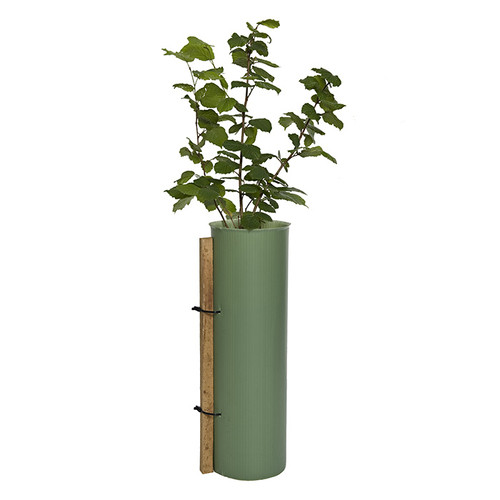
--Introduction--
Designed for more exposed sites, with plant acclimatisation in mind.
The Tubex Combitube is designed for more exposed sites, where there is a greater contrast between growing conditions inside the shelter and those outside the shelter, and there is a need to protect from animal browsing.
The Tubex Combitube provides an improved micro-climate at the base of the shelter which results in better initial establishment. The higher air moisture within the tube reduces water stress and enables the plant to survive better in dry or drought conditions.
The ventilated upper section of the shelter allows for ‘wind rock’ to strengthen roots and stems, as well as hardening the bark of the tree. This enables the plant to acclimatize to external conditions before emerging from the protection.
The ventilation is provided by a number of 4mm perforations in sets of 100mm deep bands at the top of the shelter and the 45cm solid base provides herbicide protection.
Designed to last a minimum of 5 years, the Combitube range is particularly suited to taller species and is available in a 'Plus' size diameter for larger species of trees.
Note - Shelter longevity is dependent on site and weather conditions.
Benefits
- Enables plants to acclimatise on exposed sites before emerging.
- Protects from browsing animals.
- Protects from herbicide spray.
- Creates microclimate to promote healthy growth.
- Easy installation – comes with pre-fitted releasable cable tie(s).
Installation (view the installation tab above for a more comprehensive installation guide)
- Plant bare root or cell grown plant.
- Insert stake next to plant.
- Install shelter over plant, gently pushing into ground.
- Firmly tighten pre-fitted cable tie(s) around stake.
- Plan for removal and recycling at end of life once the tree is established. More information on recycling is available here.
--Specification--
| Dimensions | Tubex Combitube Standard Range | Tubex Combitube Standard Plus Range | |||
| Height^ | 75cm | 1.20m | 1.20m | 1.50m | 1.80m |
| Diameter | 73-105mm | 73-105mm | 80-120mm | 80-120mm | 80-120mm |
| Number of cable ties | 2 | 2 | 2 | 2 | 2 |
| Type of cable ties | Releasable | Releasable | Releasable | Releasable | Releasable |
| Length of cable tie | 250mm (10 inches) | 250mm (10 inches) | 250mm (10 inches) | 250mm (10 inches) | 250mm (10 inches) |
| Height of top cable tie from ground^^ | 450mm | 850mm | 850mm | 1160mm | 1320mm |
| Height of bottom cable tie from ground^^ | 200mm | 250mm | 250mm | 250mm | 250mm |
| Average weight/tube | 103g | 143g | 168g | 215g | 248g |
^ Manufacturing tolerance of tube height +/- 25mm
^^ Manufacturing tolerance of cable tie height +/- 15mm
| Packaging | Tubex Combitube Standard Range | Tubex Combitube Standard Plus Range | ||||
| Nest | 5 | 5 | 5 | 5 | 5 | |
| Bundle | 100 | 100 | 60 | 60 | 60 | |
| Bag or strap banded | Bag | Strap banded | Strap banded | Strap banded | Strap banded | |
| Material · For all sizes | ||||||
| Tube | Polypropylene (30% recycled material) | |||||
| Cable tie | Nylon | |||||
| Tube colour | Green | |||||
| Service life (tube) | Minimum 5 years | |||||
| Biodegradable | No | |||||
| End of life | Remove for recycling | |||||
| Recyclable | Yes | |||||
| Recycling options | Use a local Recycling Centre and the bin for 'Plastic' (Code 5 PP). Or contact Tubex for details of their Collection & Recycling scheme. Or use a similar agricultural recycling service. |
|||||
| Recommended support | Stake | |||||
--Features & Benefits--
Plant Welfare
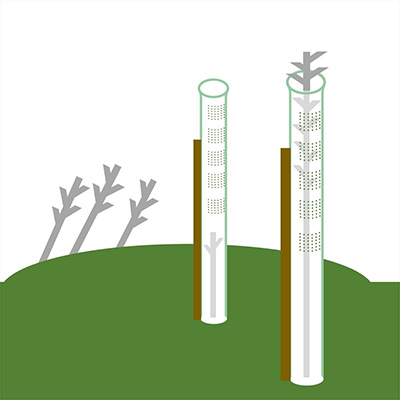
Acclimatisation
A solid bottom half and ventilated top half allows the tree to acclimatise on exposed sites.
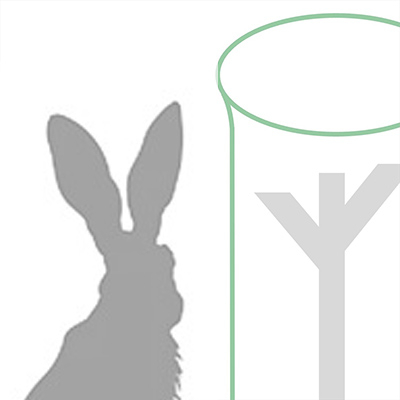
Animal protection
Protects young plants from bark-stripping and browsing animals.
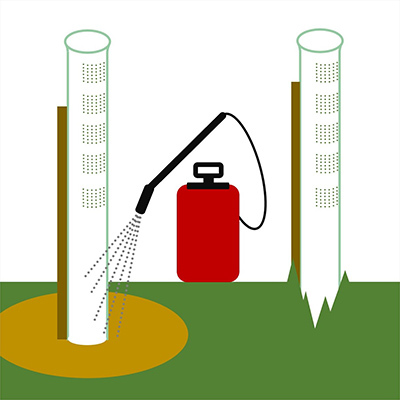
Herbicide protection
The solid bottom half of the tube protects from herbicide spray.

Light transmission
Creates a mini greenhouse effect, encouraging growth.
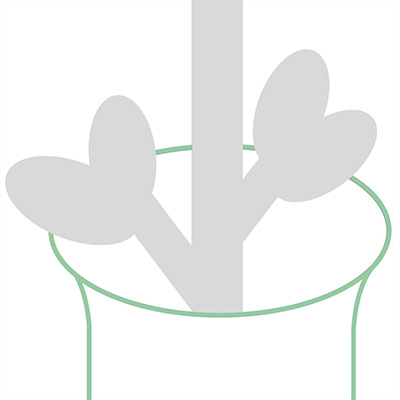
Flared rim
To minimise stem abrasion.

Laser-line
To allow the tree to break free.
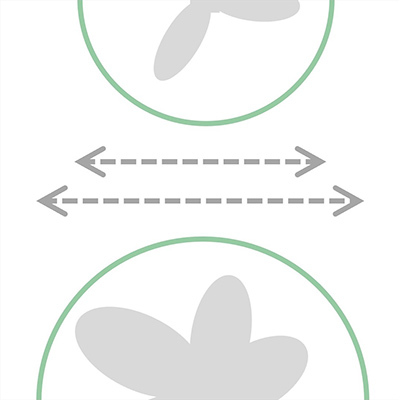
Standard 'Plus'
Larger diameter available for plant species that require more space to grow.
Lifespan

UV stabilised polypropylene
Provides minimum 5 years protection.
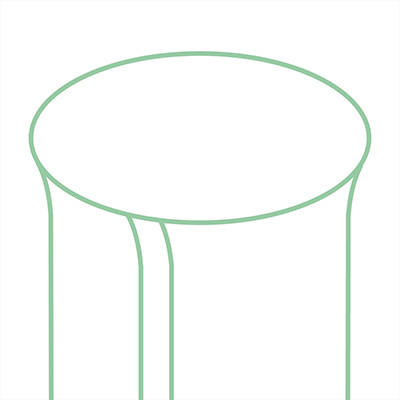
Strengthening rods
To prevent tearing at stake area.

Twin walled
Delivers best strength to weight ratio.

Recyclable
Through local supplier or via the Tubex Collection & Recycling Scheme.
Installation
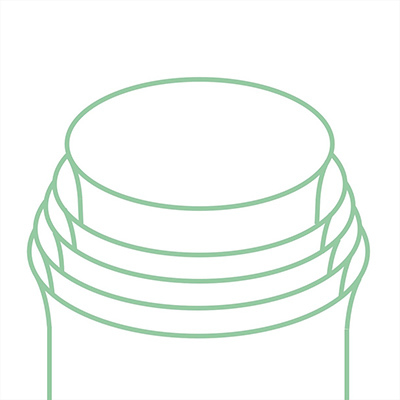
Nested
For ease of movement around site.
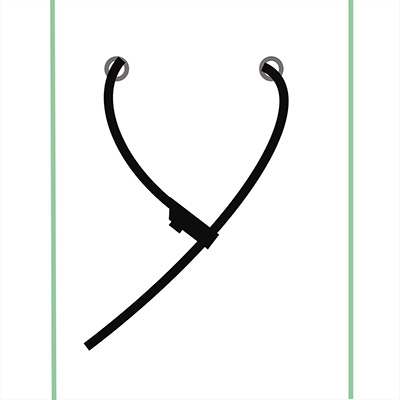
Pre-fitted cable tie(s)
Thumb-releasable for easy installation & maintenance.

Green colour
Blends into background.
--Range Choices--
Height
Identify which damaging agent (animal) you wish to protect your plants from.
This will influence the height of your protection and the wooden stake to support it.
Depending on the height selected, Combitubes can help protect against voles, rabbits, hare and most types of deer.
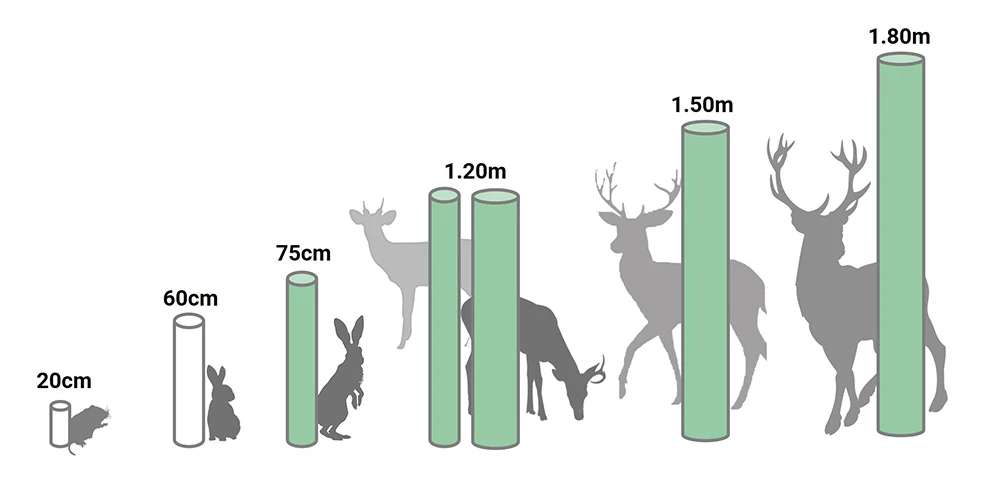
 Tubex Combitubes - Available sizes
| Protecting against | Vole | Rabbit | Hare | Muntjac, Roe Deer | Fallow Deer | Red Deer |
| Minimum height of tube for protection | 20cm | 60cm | 75cm | 1.20m | 1.50m | 1.80m |
| Height of supporting stake* | Not required | 75cm | 90cm | 1.20m or 1.35m | 1.50m | 1.80m |
| Diameter type | N/A | Standard | Standard | Standard or Standard Plus | Standard Plus | Standard Plus |
*It is advisable to use a longer stake for sandier, lighter soils.
Diameter types
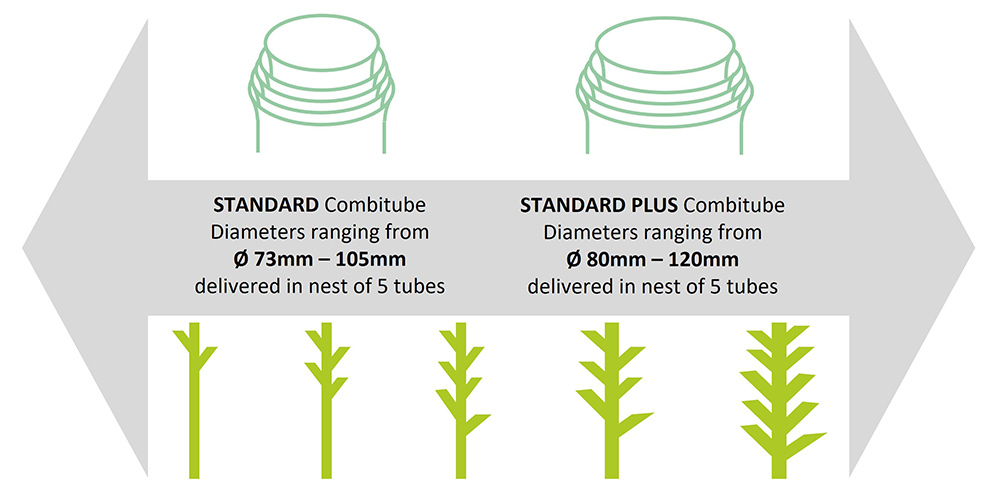
Tubes are nested (one inside the other), to save space and time when moving plant protection around a site.
Diameters describe the range of diameters you will find in a nest of tubes, from the smallest to the largest.
Combitubes are available in a 'Standard' and also a 'Standard Plus' size.
Use the 'Plus' size range for larger planting stock or for plants that are likely to have bushier growth.
--Installation--
Plant
Planting bare root or cell grown plants is a straightforward task, however, do not attempt to plant if the ground is frozen or waterlogged. Find a suitable position for your plants, bearing in mind future growth and potential height and spread at maturity.
Bare rooted or cell grown plants can be ‘notch’ planted in 3 steps:
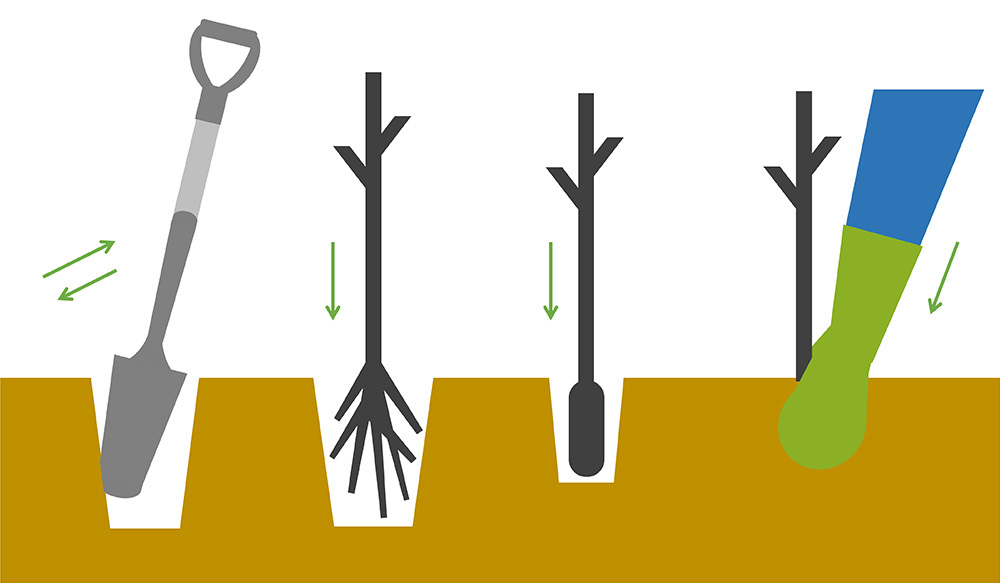
1. Begin by inserting the blade of a spade into the ground. Push the spade handle away from you and then bring it back towards you. Once you remove the spade, you will see that you have created a cavity or ‘notch’ in the ground.
2. For bare root - place the plant roots within the cavity and shake to ensure that all of the roots are in the cavity and pointing downwards.
For cell grown – place the cell gently into the ground. Ensure the top of the plug (the soil surrounding the roots) is positioned at 2 to 4cm below the surface to avoid drying out.
3. Fill the cavity with soil. Use your heel to firm the soil around the plant to remove any air pockets. Once planted, give them a good water if practical to do so.
You are now ready to install your support and protection.
Support
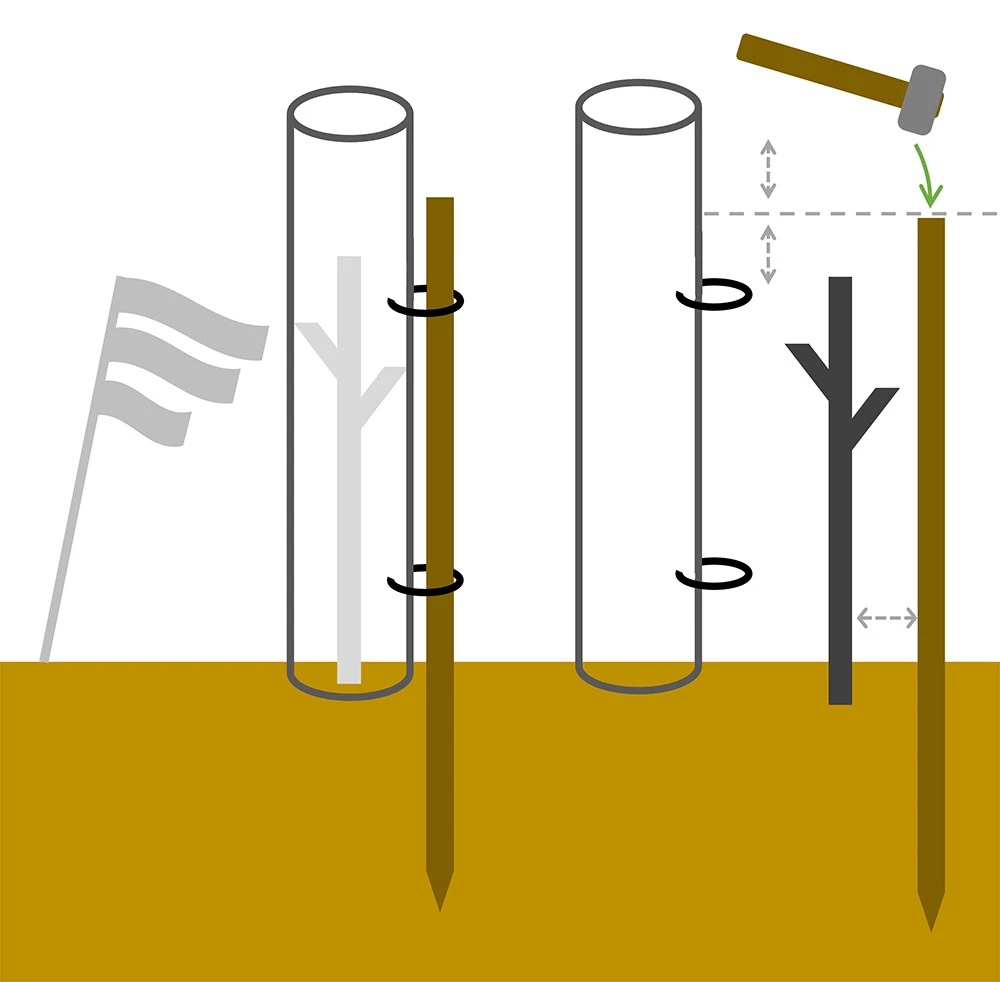
1. After planting, position the tube on the windward side of the stake if there are strong prevailing winds, and the stake between 2cm to 5cm from the base of the plant.
2. Hammer the stake into the ground with a stake driver or mallet (ideally knocking 1/3 of its height into the ground). Ensure it is vertical (particularly important on sloping ground). The top of the stake should be below the top rim of the shelter and above the top tie wrap.
Protect
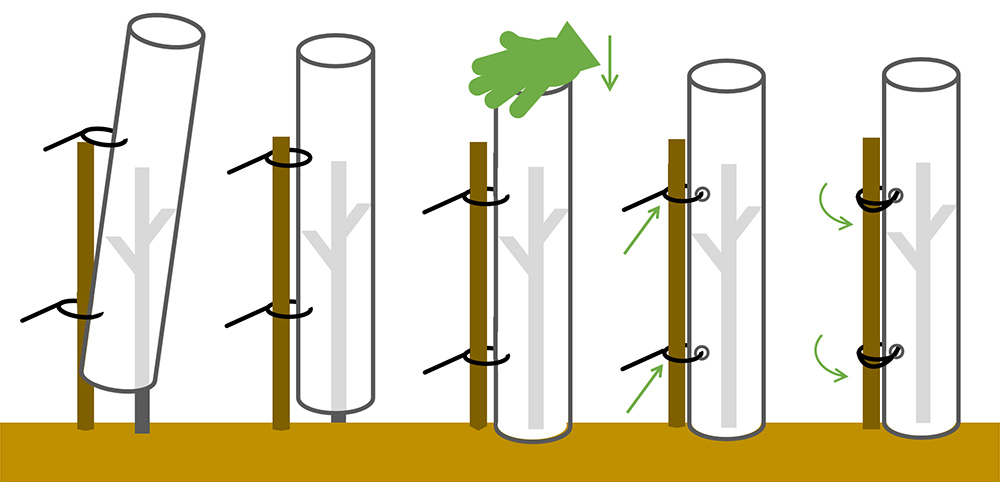
1. Position the shelter over the tree, making sure not to damage any lateral branches, sliding the releasable tie wraps over the stake at the same time.
2. Push the shelter into the ground 1-2cm. This forms a safe barrier to deter vermin from burrowing under the shelter.
3. Tighten the thumb releasable ratchet ties, ensuring the shelter is firmly positioned.
4. Tuck the tie ends into the holes in the shelter for neatness and to deter rubbing by deer or sheep.
Plan for removal and recycling of shelters at end of life once the tree is established. More information on recycling is available here.
--Download--